February 14, 2025
What I Learned Sitting Across From the School
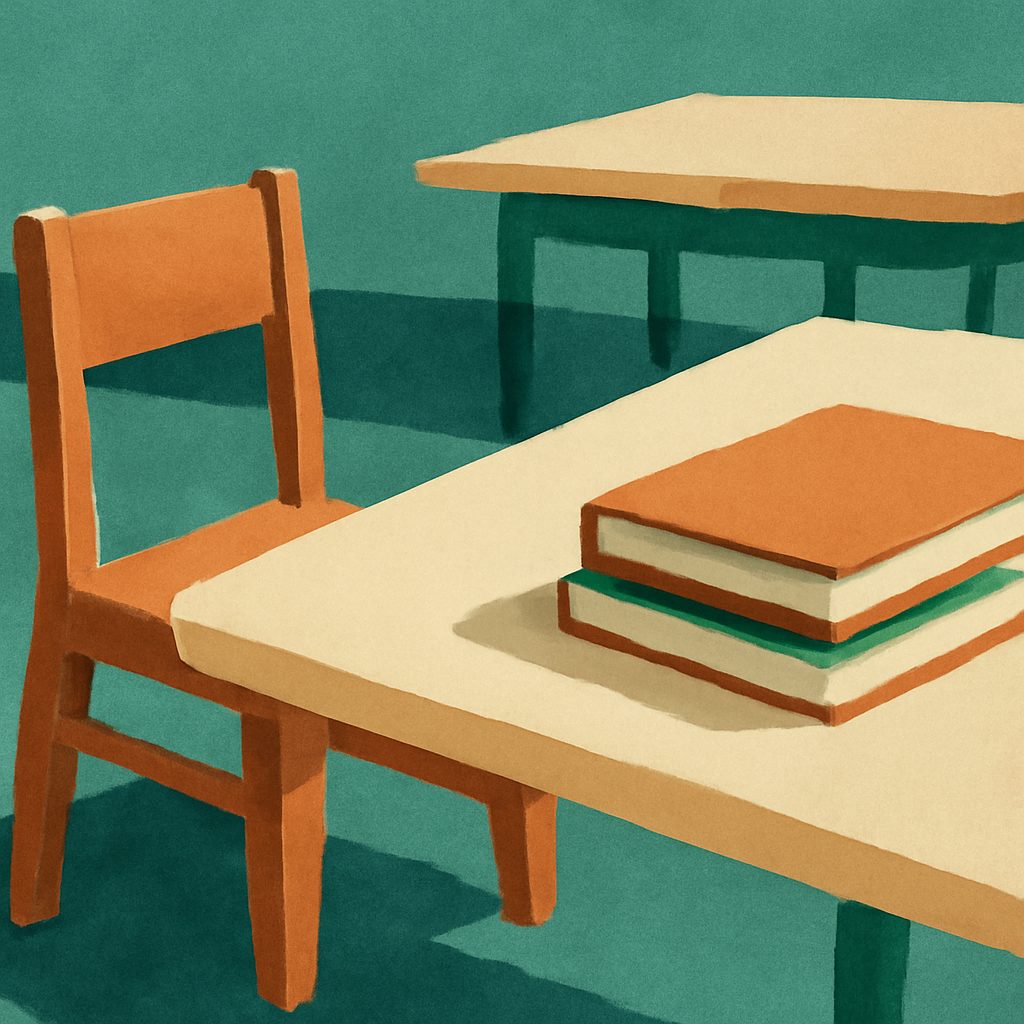
The chair felt too small and wobbly beneath me, a stark reminder of the child-centered world I was handling. Across the table, three teachers looked at me expectantly, their faces a blend of concern and care. This wasn't my first meeting about my child, whose ADHD traits often danced him into various tricky situations at school. Yet, here I was again, bracing myself for the familiar recital of challenges.
In the beginning, these meetings felt like stepping into a courtroom, with each side presenting a case, the stakes being my child's future. I remember sitting there, on that same too-small chair, feeling defensive and tired, like a mother trying to shield her child from a storm. But over time, something shifted. Instead of dreading these encounters, I found myself shaping them to truly reflect the person my child was outside those four walls.
Reframing the Conversation
It wasn't an overnight change, but bit by bit, I started to approach these meetings differently. Early on, it was all about hearing what my child wasn't doing right. But as I began to speak up, I noticed a shift. I shared stories about his creativity and curiosity, his ability to hyper-focus on something he loved. By painting a fuller picture, I saw the teachers' expressions change. They weren't just looking at a list of challenges; they were seeing my son.
Finding Common Ground
It turned out that teachers and I wanted the same thing: to help my child succeed. Once I realized this, the meetings began to feel less adversarial and more like brainstorming sessions. We discussed practical strategies that worked at home and could be implemented in the classroom. Small things like movement breaks or different ways of presenting tasks started making a difference.
Taking a Breath
There were moments, of course, when frustration threatened to bubble over. It's hard to sit there in that little chair and hear about another rough day. But I learned to take a breath, let the silence settle, and then respond. Keeping calm meant that the meeting stayed constructive, and we could move forward.
As I stacked my notes at the end of another meeting, I realized I no longer felt like I was on trial. Sitting across from those teachers, I felt like a collaborator in my child's education. I may still be on that small, wobbly chair, but I've learned to find my balance on it. And in that balance, there's a glimmer of hope that the next meeting will bring an opportunity to grow and understand a little more.